

What Happens In a Bee Hive in March?
March is one of the most exciting months in the beekeeping calendar. As it transitions from winter to spring, the honey bee colonies begin shifting from survival to rapid expansion. As temperatures slowly rise and the days grow longer, the hive becomes noticeably more active and internal dynamics of the colony begin to change.
The Winter Cluster Begins to Loosen

During winter, honey bees survive by forming a tight cluster around the queen. The bees generate heat by vibrating their flight muscles and consuming stored honey, keeping the centre of the cluster warm enough to sustain the colony.
By March, especially during mild spells, the cluster begins to loosen. Bees move more freely across the comb and the colony starts expanding its activity within the hive. On warmer days, workers will take short cleansing flights and begin searching for early pollen sources.
The colony is still highly dependent on stored food at this stage, but the overall energy of the hive begins to increase.
The Queen Expands Egg Laying

One of the most important changes inside the hive in March is the increase in egg laying by the queen. Throughout the coldest part of winter the queen either stops entirely or lays very small patches of brood.
As the daylight gets longer and the colony senses the approach of spring, the queen begins to increase egg production. At first, this brood nest may cover only a small section of comb. However, the amount of brood can grow rapidly over the following weeks. Eggs hatch into larvae that are fed by nurse bees before being sealed into capped brood cells. These new bees will form the workforce that supports the colony during the spring nectar flows.
Pollen Becomes Essential

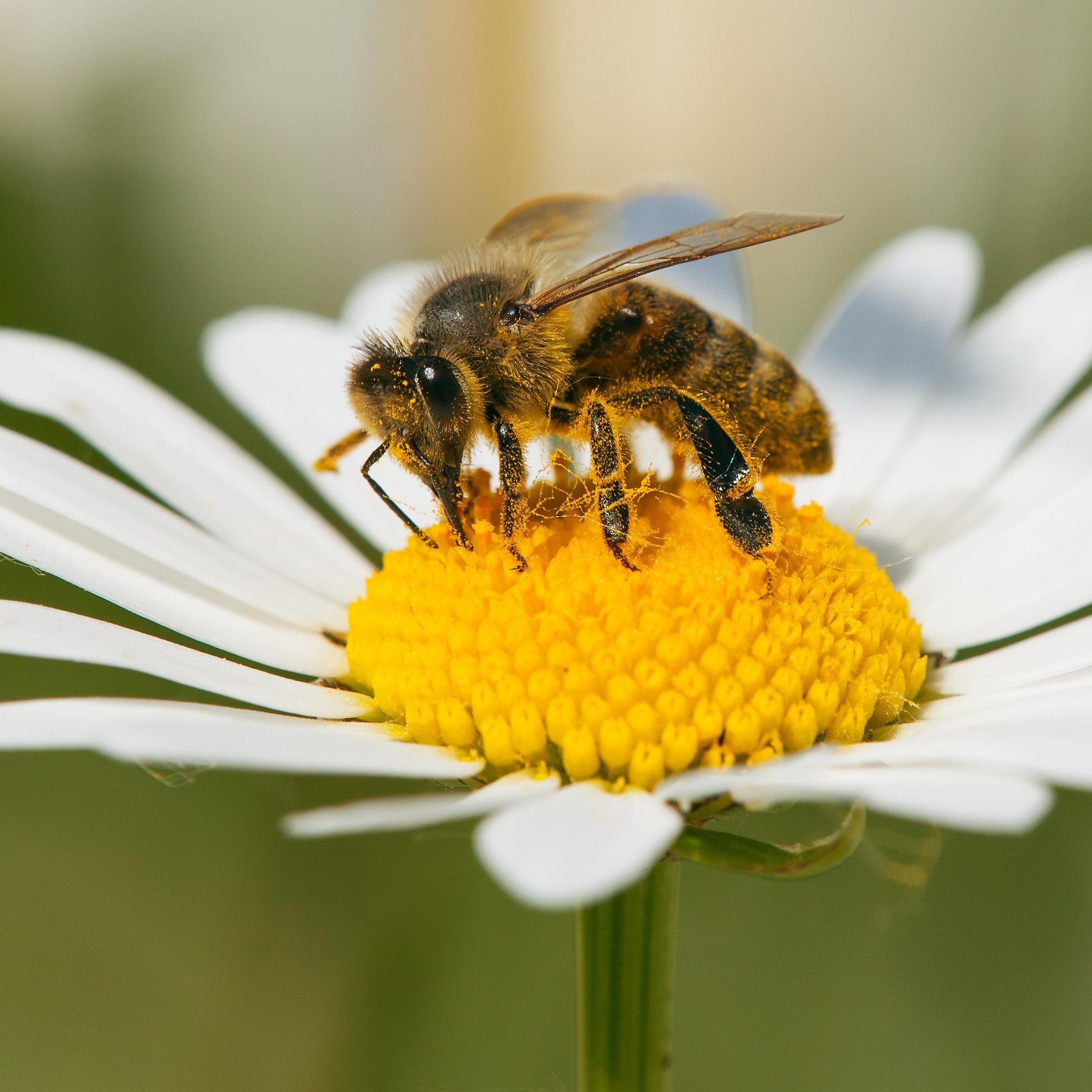
March often marks the first time beekeepers notice significant pollen being brought back to the hive. Pollen is the primary source for honey bees and is essential for feeding developing larvae. As brood production increases, the demand for pollen rises sharply. Worker bees collect the pollen in the baskets on their hind legs and carry it back to the hive where it is stored in cells near the brood nest. Without sufficient pollen, the colony cannot raise brood effectively.
Food Consumption Increases

Honey is required not only as an energy source for adult bees but also to help maintain the warm temperatures needed for developing brood. This period can be risky because nectar flows are often still unreliable in early spring. A colony that begins raising brood too quickly may consume its remaining honey stores faster than expected. For this reason, March is a time beekeepers often check that colonies still have enough food reserves.
Worker Roles Begin to Shift
Inside the hive, worker bees take on a variety of roles that support the growing colony. Nurse bees feed the developing larvae with brood food produced from glands in their heads. Other workers clean empty cells so the queen can lay new eggs. Some bees process incoming pollen and nectar, while others begin producing small amounts of wax to repair or extend the comb. The hive becomes increasingly organised as the colony prepares for rapid population growth.
The Colony Begins Building Toward Spring
Population levels are still relatively low compared to summer, but the steady production of new bees means the workforce is growing. As temperatures continue to improve and more flowers begin to bloom, the number of foraging bees will increase and the colony will expand quickly.
A Key Month for Beekeepers
For beekeepers, March is often the first opportunity to assess how colonies have come through the winter. Brief inspections during suitable weather can confirm whether the queen is laying, brood is present and food stores remain adequate. With careful management and favourable weather, the small but determined winter colony will soon grow into thriving spring hive that drives the rest of the beekeeping year.