

January Beekeeping Checklist: Keep Your Hive Healthy Through Winter
Let’s be honest — January can feel like a sleepy month in the apiary.
The hives look still.
The bees are tucked into their winter clusters.
There’s not a bloom in sight.
But here’s the thing: just because the bees are quiet doesn’t mean you should be. January is the time to prep for the busy season ahead; behind those hive walls, the colony is slowly using up its hard-earned stores. Queens might begin laying again if conditions are right. And small actions you take now — from checking stores to managing moisture — can make all the difference between a booming spring hive or one that doesn’t pull through.
🍯 Hefting: The Beekeeper's Winter Check-In
One of the smartest things you can do in winter doesn’t involve opening a hive at all. Just heft it.
Gently lift the back of the hive — no need to strain, just enough to feel the weight.
-
If it’s heavy: good news — they likely have enough honey.
-
If it’s light: they might be in trouble.

Did you know? A strong colony can burn through 1.5 to 2 kg of honey each week during cold spells, just to keep warm. That’s why regular hefting is such a handy skill — it tells you what’s happening without chilling the bees.
🛠 Pro tip: If a hive feels light and the weather’s above freezing, place a block of fondant or sugar right over the cluster. Bees naturally move upward, and this puts emergency food right where they need it.
❄️ Keep Entrances Clear — and the Bees Moving

It’s easy to overlook, but a blocked entrance can be a real problem in winter. Bees take cleansing flights on warmer days -they need to get out to relieve themselves. If snow, leaves, or dead bees block the way, they'll hold it in too long, which can lead to dysentery and a mess in the hive. Just a quick check with your hive tool every week or so is all it takes. No big inspection - just make sure they've got a way in and out.
Here’s a surprising fact: more bees die in winter from moisture than from cold.
The cluster stays warm — but that warm air rises, hits a cold inner cover, and condenses into water. If that drips back down on the bees, it chills them. Slowly. Fatally.
Here’s how to stay ahead of it:
✔ Add a moisture quilt — a layer of absorbent material above

the brood nest traps humidity
✔ Keep ventilation gentle but consistent — never seal the hive airtight
✔ Tilt the hive forward slightly — let any condensation drain away from the cluster
These small tweaks prevent big losses. If you’ve ever opened a damp, mouldy hive in spring, you know how important this is.
📋 What Beekeepers Should Be Doing in January
Your bees may be laying low, but this is a golden time for you to get ahead.
Think of January as your prep zone: no pressure, no rush — just the perfect time to set yourself (and your bees) up for success.
Here’s your go-to winter list:
✔ Heft hives weekly — keep tabs on food without opening
✔ Clear entrances — make sure bees can fly when they need to

✔ Check for condensation — dry hives are healthy hives
✔ Place fondant — if stores are running low
✔ Clean and replace gear — hive tools, suits, smokers, frames
✔ Review last season’s notes — what worked? what didn’t?
✔ Plan your varroa strategy — don’t wait for mite counts to spike
✔ Order supplies early — gloves, frames, wax — beat the spring rush
🧠 Bonus: Learn While the Bees Rest
January is the perfect time to feed your brain while your bees conserve theirs.
Ever wondered…
🧊 Why do bees cluster tighter at 0°C than at 10°C?
Bees form a tight cluster in winter to keep warm. At colder temperatures, like 0°C, they pack in closely — outer bees insulate, while inner bees generate heat by vibrating their wing muscles. The whole cluster acts like a living radiator.
At around 10°C, the cluster loosens. Bees may move around more or even start limited brood rearing. But more movement means higher energy use, which means they’ll go through honey stores faster.
So:

-
0°C = tight cluster, lower activity, slower food use
-
10°C = looser cluster, more movement, higher food use
This is why winter hefting matters — bees may seem quiet, but they’re burning fuel to stay alive.
🧫 How does propolis protect the hive from disease?
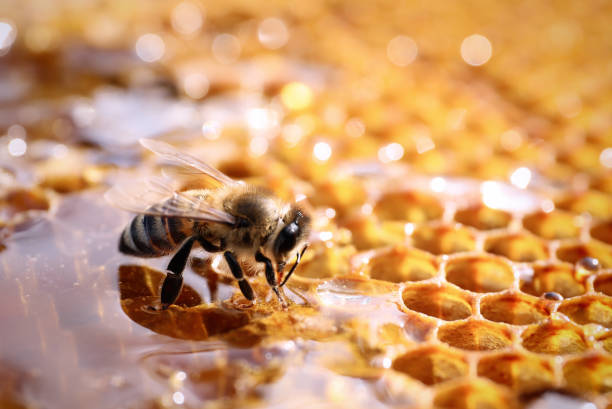
Propolis is a resin bees gather from tree buds — and it’s one of nature’s best antimicrobials.
In the hive, bees use it to:
-
Seal cracks and smooth rough surfaces
-
Line the inside walls, creating a sanitary shield against infection
-
Inhibit the growth of harmful pathogens like Nosema ceranae (a gut parasite common in the UK)
-
Help suppress American foulbrood (AFB), caused by Paenibacillus larvae — a serious and notifiable disease under UK law
Propolis helps reduce the spread of disease and lowers the overall microbial load inside the hive. Colonies that use more of it tend to experience less immune stress, making them more resilient overall.
Tip: To encourage bees to produce more propolis, some beekeepers leave the interior hive walls rough (unpainted wood or scored surfaces). Bees will fill the gaps — and in doing so, help protect their own home.
💨 What role does ventilation really play in bee health?
Bees need air — and good airflow helps maintain a healthy hive.
Proper ventilation:
-
Prevents condensation from dripping onto the cluster
-
Removes stale air and carbon dioxide
-

Helps keep the hive dry and breathable
But too much airflow can be just as harmful — it creates draughts that chill the bees and force them to burn through food faster to stay warm.
Best winter setup for UK hives:
-
Keep your hive entrance open — it allows fresh air in and lets moisture escape
-
Use a ventilated crown board or place a moisture quilt above it to manage condensation
-
Ensure the entrance is also fitted to prevent pests like mice from getting in
Balance is key — you want moisture to leave the hive without losing the warmth your bees work so hard to generate.
🍯Prepare Now
January may not offer the excitement of swarm season or honey harvests, but it’s one of the most important months in your beekeeping year. Your bees are doing what they do best: surviving, adapting, conserving. Your job is to quietly support them — through food, airflow, and smart preparation.
The effort you put in now doesn’t just get them through winter — it lays the foundation for a strong, productive season ahead.
So check the weight. Clear the entrance. Keep it dry. And while the bees rest, you learn, plan, and prep.
Spring will be here before you know it — and your future self (and your bees) will thank you.